
Roofing Advice
How Long Does a Roof Last in Ireland?
There is no single answer to "how long does a roof last", and anyone who gives you one number without seeing your roof is guessing. Two houses on the same street, roofed in the same year with the same material, can be in very different condition by the time either one turns forty.
What follows are broad, indicative ranges used across the roofing industry as general guidance, not warranties or guarantees on any roof we look at. The actual life of any individual roof depends on the material, how well it was installed, the detailing, the weather it faces and how it has been maintained since.
If you want a straight answer for your own roof rather than a general one, a proper roof inspection will tell you far more than any age-based rule of thumb.
- Condition and inspection findings matter more than age alone
- Flashings, valleys and detailing usually fail long before the main covering
- Exposure, ventilation, installation quality and maintenance all shift the picture
Looking for the service itself? Roof Inspections in Dublin
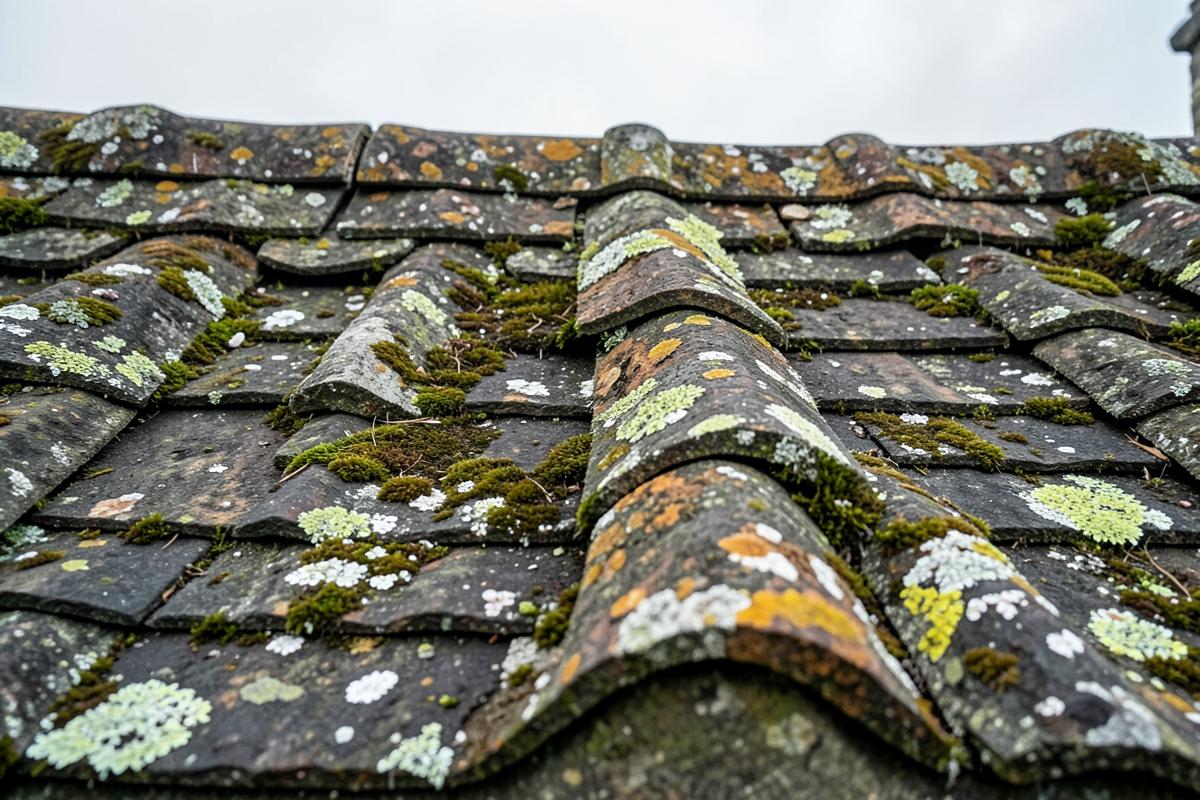
Why there is no single answer
A roof is not one product with one lifespan. It is a covering, a substructure of timber and battens, an underlay or membrane, and a set of junctions and details — valleys, flashings, ridges, verges — all working together. Each of those elements can age at a different rate, and the roof as a whole is only as sound as its weakest part.
Industry figures for how long a roofing material "lasts" are averages drawn from typical installations in typical conditions. They are a useful starting point for budgeting and planning, not a prediction for any particular house. A roof exposed to driving coastal wind and rain will not behave like an identical roof in a sheltered inland estate, even if both were covered by the same crew in the same month.
Natural slate
Natural slate is generally regarded as one of the longer-lasting pitched roof coverings, and well-laid slate roofs in Ireland commonly remain serviceable for many decades. The slate itself is a durable stone product, but the nails fixing it, the battens underneath and the underlay beneath that all have their own service lives, and any one of them failing first can bring the roof's performance down well before the slate is worn out.
Older slate roofs often reach a point where the slate is sound but the fixing nails have fatigued, causing slates to slip in increasing numbers. That is a different problem to the slate wearing out, and it changes what a sensible repair or slate roof replacement looks like.
Fibre cement slate
Fibre cement slate is a manufactured product designed to imitate the appearance of natural slate at a different price point and weight. Its service life is generally considered good, though typically shorter than natural slate, and it can become brittle with age, particularly on roofs that see a lot of foot traffic for aerial or chimney work.
As with natural slate, the underlay, battens and fixings age alongside the covering and often determine when work is actually needed. See slate vs tile roofing for how the materials compare more broadly.
Concrete and clay tiles
Concrete tiles are a common, robust covering on Irish housing estates from recent decades, with a good general service life, though the surface finish can fade or become more porous with age. Clay tiles are less common here but can perform very well over a long period where they have been installed and detailed correctly.
With both, the interlocking nature of the tiles means a small number of cracked or slipped units rarely threatens the roof as a whole, but recurring slippage across a roof is usually a sign that battens or fixings underneath need attention.
Pitched roof timbers and underlay
The underlay beneath a slate or tile covering is a secondary line of defence against wind-driven rain and snow, and it deteriorates with age, particularly older bituminous felts, which can become brittle and split. A roof covering can look entirely sound from ground level while the underlay underneath it is failing.
Roof timbers — rafters, battens and any structural members — are generally very long-lasting where they stay dry and well ventilated. Persistent damp from a failed underlay, blocked ventilation or a long-standing leak is what causes timber problems, not simple age.
Felt flat roofs
Felt roofing has a wide range of realistic service life depending on the specification, the number of layers, and how well the laps and upstands were detailed at installation. Modern high-performance felt systems generally perform for longer than the older single-layer felt still found on many garage and extension roofs.
Felt tends to show its age at the details first — laps lifting, upstands cracking — rather than failing uniformly across the field of the roof. See felt roofing for more on the current range of systems.
GRP, EPDM and liquid flat roof systems
GRP (fibreglass) is a seamless laminate that, installed correctly over a sound, well-prepared deck, generally offers a good working life, though poor deck preparation or moisture trapped underneath will shorten it regardless of the laminate's own durability. See GRP fibreglass roofing.
EPDM rubber membranes are flexible, accommodate movement well and are generally durable where installed as a single sheet with minimal joints. Liquid systems depend heavily on correct substrate preparation and application thickness for their long-term performance.
None of these systems are maintenance-free, and all of them fail early for broadly the same reasons: poor falls, blocked or undersized outlets, badly formed upstands, or a covering laid over a deck that was already damp. Our flat roofing page covers the systems in more detail.
Flashings and detailing — usually first to fail
Lead flashing, mortar fillets, valley linings and other detailing around chimneys, abutments and roof junctions are very often the first part of a roof to need attention, well before the main slate, tile or felt covering. These are the points where two different materials or two different roof planes meet, and meeting points are where movement, thermal expansion and weathering concentrate.
A roof with sound slate but a failed chimney flashing is not a roof nearing the end of its life; it is a roof with one defect that needs fixing. See lead flashing, chimney repairs and roof valley repairs.
Gutters, drainage and ventilation
Blocked or damaged guttering does not just cause overflow at the eaves; sustained water sitting against a roof edge or running back under a covering can shorten the life of the timbers and underlay behind it. Keeping gutters and outlets clear is one of the cheapest things a homeowner can do to protect a roof's working life.
Poor loft or roof void ventilation allows moisture from inside the house to condense against the underside of the roof, which can rot timbers and degrade underlay from below — damage that has nothing to do with weather hitting the outside of the roof at all.
Installation quality and previous repairs
Two roofs of identical materials and age can be in very different condition because one was installed correctly and one was not. Nail patterns, lap distances, correct detailing at junctions and suitable fixings for the exposure all affect how long a roof actually performs, regardless of what the material is theoretically capable of.
A history of patch repairs is also worth reading carefully. One or two sensible repairs over many years is normal. Several repairs to the same area in a short period usually means the underlying cause was never properly fixed, which is a different situation to ordinary wear.
Irish weather and exposure
Coastal and elevated sites see more driving rain and wind loading than sheltered inland locations, and that exposure genuinely shortens the working life of flashings, ridge pointing and exposed junctions in particular. Prevailing wind direction matters too — the exposed side of a roof frequently shows wear before the sheltered side.
This is one of the main reasons a roof's realistic remaining life cannot be estimated from age or postcode alone. We cover a range of conditions across our service areas, and exposure is one of the first things we factor into any inspection.
Age vs condition: which matters more?
Condition, backed up by a proper inspection, matters far more than age on its own. A forty-year-old roof that has been well maintained, with sound flashings and no history of leaks, can still have a useful working life ahead of it. A fifteen-year-old roof with poor original detailing, blocked gutters and a couple of unresolved leaks can be in worse shape.
Reaching a given age is not, by itself, a reason to replace a roof. It is a reason to have it looked at properly. An inspection tells you what is actually happening on your roof — which slates are sound, which flashings are failing, whether the underlay is still doing its job — rather than relying on an average drawn from roofs in general. See our roof inspections page, or our roof inspection cost guide if you are weighing up having one done.
What typically determines a roof element's working life
General guidance only — actual performance depends on the specific roof, its exposure and how it has been maintained.
| Roof element | What typically determines its life |
|---|---|
| Natural slate | Quality of the stone, fixing nails and battens beneath it, exposure to wind-driven rain |
| Fibre cement slate | Manufacturing quality, UV and weather exposure, foot traffic and impact |
| Concrete and clay tiles | Fixing method, exposure, and condition of battens and underlay beneath |
| Underlay and felt (pitched) | Type and quality specified, exposure, and ventilation of the roof void |
| Flashings and mortar detailing | Material used, correct detailing, thermal movement, exposure at junctions |
| Flat roof coverings (felt, GRP, EPDM, liquid) | Deck condition, correct falls and drainage, installation and detailing quality |
| Gutters and rainwater goods | Material, fixing, regular clearing and correct falls |
| Roof timbers | Dryness and ventilation far more than age; damp and rot are the real risk |
Get a price for your own roof
The only accurate figure is one based on your roof. Request a quotation or call Vantage Roofing and we will tell you what is involved.
Related Services
The roofing work behind this guide
Dublin city and county is our main service area, with additional coverage across Kildare, Meath and Wicklow.
Roof Inspections
A proper look at the roof and attic with a clear summary of roofing condition and recommended work.
Learn moreRoof Repairs
Repairs to slate, tile and flat roofs — from a handful of slipped slates to recurring leaks.
Learn moreNew Roofs & Roof Replacement
Full re-roofing and roof replacement, where repairs are no longer a sensible long-term option.
Learn moreSlate Roof Replacement
Re-slating and full slate roof replacement where a covering has reached the end of its useful life.
Learn moreFlat Roofing
Flat roof repairs and replacement on extensions, dormers, garages and porches across Dublin.
Learn moreFAQ
How Long a Roof Lasts — common questions
Can you tell me how many years my roof has left?
Not accurately without inspecting it. We can tell you what condition each part of the roof is in and what to watch, which is more useful than a number based on averages for the material in general.
Do roof warranties tell you how long a roof will last?
A material or workmanship warranty covers specific defects for a defined period; it is not a prediction of total lifespan, and it does not cover damage from causes outside the warranty terms, such as storm impact or blocked gutters.
Does a roof need replacing once it reaches a certain age?
No. Age on its own is not a reason to replace a roof. Condition, established through inspection, is what actually matters, and plenty of older roofs are in perfectly serviceable condition.
Why do flashings fail before the rest of the roof?
Flashings sit at junctions where materials meet and movement concentrates — around chimneys, abutments and valleys. Those points are worked harder by weather and thermal movement than the flat field of a roof covering.
Does regular maintenance actually extend a roof's life?
Yes, in practical terms. Keeping gutters and outlets clear, dealing with small defects before they let water in, and having occasional inspections catches problems while they are still cheap to fix.
Is a north-facing or coastal roof likely to wear out faster?
Exposure to driving wind and rain does tend to accelerate wear at flashings, ridges and exposed junctions in particular, though the effect varies by site. It is one of the things we look at during an inspection rather than something we can generalise about accurately.
Talk to a roofer
Need a Roofer in Dublin?
Need help with a roof repair, leak or roofing project? Call Vantage Roofing or request a quotation online. Fully insured, with 24/7 emergency roof repair call-outs.