
Comparison Guide
Slate vs Tile Roofing: What's the Difference?
Slate and tile are the two coverings used on the overwhelming majority of pitched roofs in Ireland, and homeowners re-roofing a property are usually choosing between them.
Neither is universally better. The right covering depends on the existing roof structure, the pitch, the exposure of the site, the character of the property and what is already on the neighbouring houses. This guide sets out the differences that actually matter in practice.
- The existing roof structure constrains the choice
- Pitch and exposure matter as much as appearance
- Matching the property and the street is a real consideration
Looking for the service itself? New Roofs & Roof Replacement in Dublin
What each covering actually is
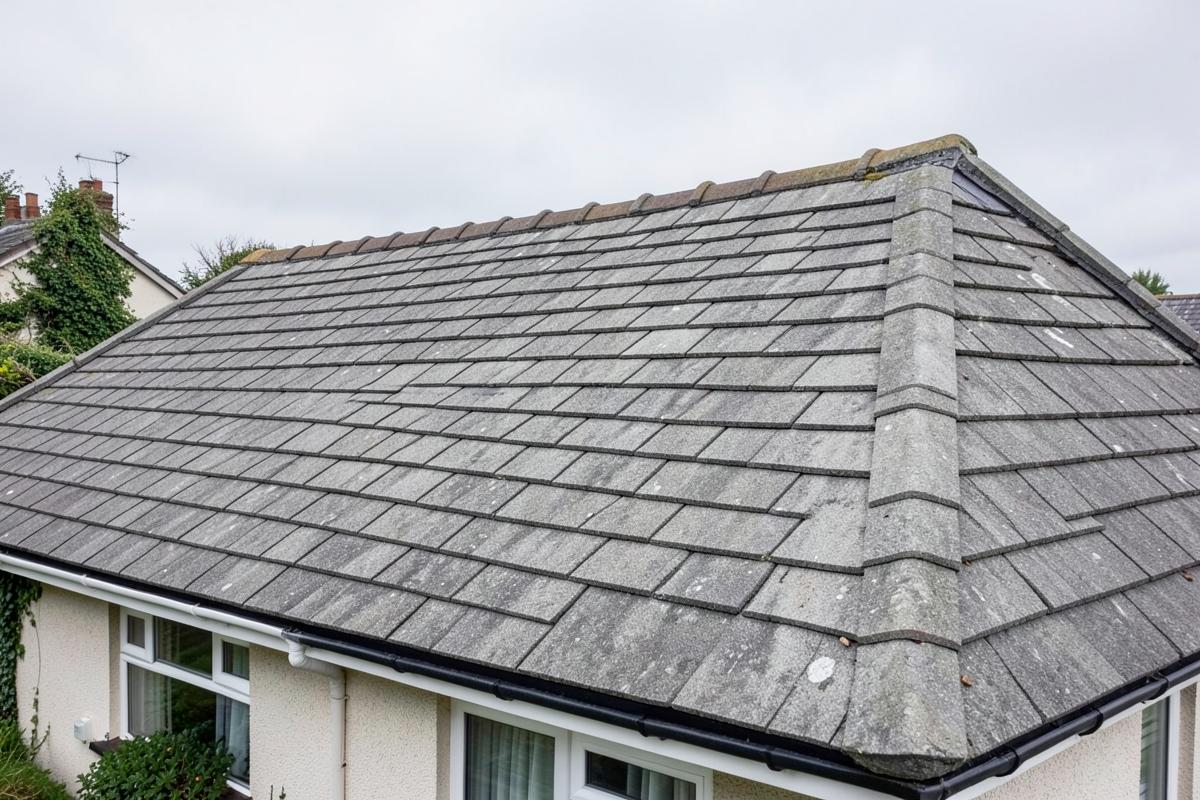
Slate means either natural slate — quarried stone, split into thin units — or fibre cement slate, a manufactured flat unit that resembles it. Tiles are manufactured units, most commonly concrete or clay, available in flat, interlocking and profiled forms.
That difference in manufacture drives most of the practical differences that follow: variation and unit size on the slate side, consistency and coverage on the tile side.
Appearance and property character
Natural slate has variation in tone and texture, and the small unit size gives a fine, regular appearance that suits period and traditional properties. Fibre cement slate gives a more uniform version of the same look.
Tiles range from plain flat tiles that look similar to slate at a distance, through to strongly profiled pantile-style tiles. On many Dublin streets the prevailing covering is a genuine consideration: a roof that fits the terrace usually looks better and causes fewer questions in conservation areas.
Weight and roof structure
Coverings differ in weight, and the roof structure was designed for whatever was originally on it. Changing from a lighter covering to a heavier one is not simply a matter of preference — the rafters, purlins and supports have to be able to carry it.
Where a change of covering type is being considered, the structure needs to be assessed, and in some cases that means input from a structural engineer. We will flag it rather than assume.
Pitch, exposure and weather
Every covering has a minimum pitch below which it should not be used, and those minimums differ between slate, plain tile and interlocking tile. A low-pitched roof therefore narrows the options.
Exposure matters too. On coastal and elevated sites around Dublin, wind uplift and driving rain drive decisions about fixing specification, and both slate and tile can be specified appropriately for exposed positions.
Repairs and maintenance
Slates are individually fixed, so a single damaged slate can normally be replaced neatly. On older roofs, the practical issue is matching: sourcing slates that match an existing weathered roof takes more effort than an off-the-shelf tile.
Interlocking tiles are quick to replace where the profile is still manufactured, and awkward where it has been discontinued. Either way, the most common repairs on both are at the details — valleys, flashings, ridges and verges — rather than in the field of the roof. See slate and tile repairs.
Durability and lifespan
We are not going to publish fixed lifespan figures, because they depend on the quality of the specific product, the exposure of the site, the fixing specification and the detailing. A well-laid roof of either type, properly detailed, lasts a long time; a poorly detailed roof of either type does not.
In practice, what usually brings a roof to the end of its life in Ireland is fixing fatigue and perished underlay rather than the covering itself wearing out.
Cost considerations
Material cost varies by type and quality, and labour varies with unit size and detailing. Rather than claiming one is always cheaper, the useful step is to price the two options for your actual roof, which we are happy to do side by side. See the new roof cost guide.
How to decide
Start with what the roof can take and what the pitch allows, then consider the character of the property and the street, then compare prices for the realistic options. An inspection establishes the first of those. See roof inspections, new roofs and slate roof replacement.
Get a price for your own roof
The only accurate figure is one based on your roof. Request a quotation or call Vantage Roofing and we will tell you what is involved.
Related Services
The roofing work behind this guide
Dublin city and county is our main service area, with additional coverage across Kildare, Meath and Wicklow.
Slate & Tile Repairs
Replacing slipped, cracked and missing slates and tiles, plus ridge, hip and verge repairs.
Learn moreSlate Roof Replacement
Re-slating and full slate roof replacement where a covering has reached the end of its useful life.
Learn moreNew Roofs & Roof Replacement
Full re-roofing and roof replacement, where repairs are no longer a sensible long-term option.
Learn moreRoof Inspections
A proper look at the roof and attic with a clear summary of roofing condition and recommended work.
Learn moreFAQ
Slate vs Tile — common questions
Is slate better than tile?
Neither is better in general. Slate suits many period properties and lower unit sizes; tile suits many post-war and modern houses. What matters is the structure, the pitch, the exposure and the look you want.
Can I change from tile to slate when re-roofing?
Sometimes, but the weight difference and the pitch have to be checked first, and the structure assessed. It is not automatically possible in either direction.
What is the difference between natural and fibre cement slate?
Natural slate is quarried stone with natural variation; fibre cement slate is a manufactured unit with a more uniform appearance. They are laid similarly but are different products at different price points.
Which is easier to repair?
Both are repairable. Slate repairs are straightforward if a matching slate can be sourced; tile repairs are straightforward if the profile is still available.
Does my roof pitch limit my options?
Yes. Each covering has a minimum recommended pitch, so a shallow roof rules some options out. We check this before recommending anything.
Talk to a roofer
Need a Roofer in Dublin?
Need help with a roof repair, leak or roofing project? Call Vantage Roofing or request a quotation online. Fully insured, with 24/7 emergency roof repair call-outs.