
Roof & Attic Ventilation in Dublin
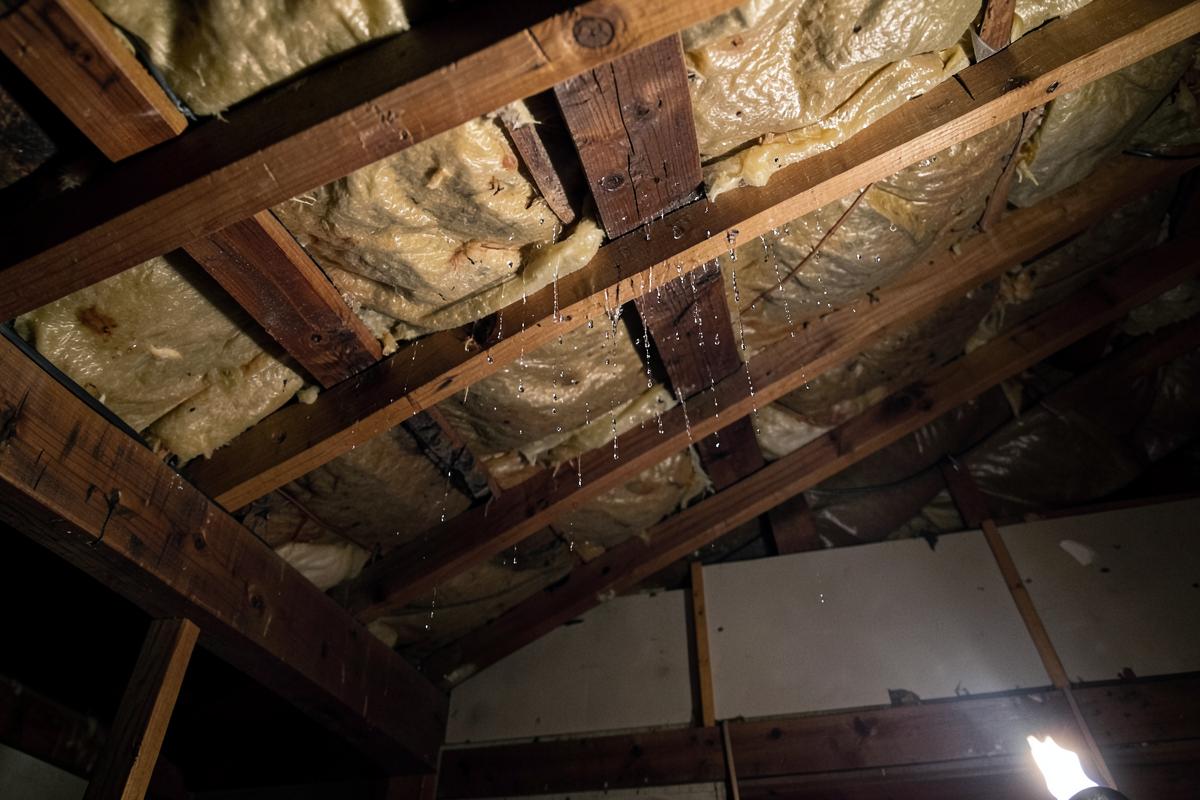
A roof space needs air moving through it. When it cannot, the warm damp air that rises out of a house has nowhere to go, and it condenses on the coldest surfaces it can find — the underside of the felt or underlay, the nails, the rafters. Homeowners usually meet this as damp patches, black mould on timbers or wet insulation, and very often they meet it as a leak that turns out not to be one.
Ventilation work usually means giving that air a path in at the eaves and out at the ridge or high on the slope, which is the common arrangement on a cold roof, using the vent type that suits the roof and how it is built. It is not a cure-all — plenty of damp is a genuine leak, and plenty is moisture generated inside the house — so the honest first step is working out which of the three you actually have.
Fully Insured • Clear Quotations • 24/7 Emergency Repairs Available
Signs a roof space is not ventilating
- Water droplets on the underside of the underlay, or on nail points, on a cold morning
- Black mould on rafters, joists or the underside of sarking boards
- Insulation that is damp, compressed or discoloured, particularly at the eaves
- Damp that appears in cold weather rather than during rain
- A roof space that smells musty or feels close when you put your head through the hatch
- Insulation pushed hard into the eaves, blocking the airway at the wall plate
How we approach the job
1.Establish whether it is ventilation at all
Condensation, a leak and internal moisture look similar on a ceiling and need different work. We look at where the water is, when it appears and what the timbers are doing before recommending vents.
2.Find where the path is blocked
Roof spaces here are generally built to ventilate at the eaves. Very often the path is simply blocked — by insulation, by a sealed soffit, or by a later re-roof with an underlay that does not breathe.
3.Fit the vent type the roof suits
Eaves and soffit vents, over-fascia vents, in-line tile or slate vents on the slope, and ventilated ridge systems all have a place. Which combination works depends on the roof construction.
4.Say what is outside roofing
Where the real source is a bathroom fan discharging into the attic, an insulation design problem or a structural issue, we will tell you so rather than fit vents and hope.
Why condensation gets mistaken for a leak
Condensation forms across a wide area, appears in cold weather rather than during rain, and often shows as many small droplets rather than a run. A leak tracks from one point and reacts to rainfall. Our condensation versus roof leak page sets out how to tell the difference before anyone starts work.
Eaves ventilation is where it usually fails
A common ventilation strategy is to bring air in low at the eaves and provide an outlet higher up. When loft insulation was topped up — sensibly, for heat — it was frequently pushed right into the eaves and closed off that inlet. Restoring the airway at the wall plate, with vent trays where needed, is often what a roof space actually needs, rather than anything fitted higher up.
Tile and slate vents on the slope
Where the eaves cannot be opened up, or extra outlet is needed, a ventilator that matches the covering is set into the slope in place of a tile or slate. On a slate roof this is done with a slate vent so the line of the roof is not disturbed more than necessary.
Ventilating at the ridge
A ventilated dry ridge roll lets air leave at the highest point of the roof, which is where it wants to go. It is often fitted as part of ridge work rather than as a job on its own — see dry ridge and dry verge.
What ventilation is not
We are roofing contractors. Ventilation work deals with the air path through the roof space and the roof covering. Insulation specification, whole-house ventilation design and structural matters sit with the appropriate professional, and we will say so where that is what a house actually needs.
Not sure this is what you need?
If you know what you can see but not what is causing it, these pages explain the likely causes and what a roofer needs to check.
Coverage
Roof Ventilation across Dublin
We work across Dublin city and county, and also cover parts of Kildare, Meath and Wicklow.
FAQ
Roof Ventilation — common questions
How do I know if it is condensation rather than a leak?
Condensation tends to appear in cold weather rather than during rain, spreads across an area rather than tracking from a point, and shows as droplets on the underlay, nails and timbers. A roof space inspection settles it, and it is worth settling before anyone quotes for work.
Will vents make my house colder?
Ventilating the roof space above the insulation is not the same as ventilating the rooms below it. The insulation at ceiling level is what keeps the heat in the house; the air above it is meant to be cold and moving.
My attic was fine for years — why now?
Something usually changed. Insulation topped up into the eaves, a new bathroom or utility venting into the roof space, a re-roof with a different underlay, or draught-proofing downstairs that pushed moisture upwards are all common triggers.
Can ventilation fix mould on the rafters?
Restoring airflow removes the conditions that let it grow, which is the part that matters. Existing growth and any timber that has suffered need to be assessed on their own terms, and severe timber damage is a job for the appropriate specialist.
Do you fit ventilation as part of other roof work?
Often, yes. Ridge work, re-slating and re-roofing are the natural moments to put the ventilation path right, because the roof is open and the components can be fitted properly rather than retrofitted.
Related
Related services
Dry Ridge & Dry Verge
Re-bedding failed ridge, hip and verge mortar, or converting to a mechanically fixed dry system.
Learn moreRoof Inspections
A proper look at the roof and attic with a clear summary of roofing condition and recommended work.
Learn moreRoof Repairs
Repairs to slate, tile and flat roofs — from a handful of slipped slates to recurring leaks.
Learn moreSlate & Tile Repairs
Replacing slipped, cracked and missing slates and tiles, plus ridge, hip and verge repairs.
Learn moreNew Roofs & Roof Replacement
Full re-roofing and roof replacement, where repairs are no longer a sensible long-term option.
Learn moreFascia & Soffit
Repairing and replacing fascia and soffit boards at the roof edge, including gutter support.
Learn moreTalk to a roofer
Need a Roofer in Dublin?
Need help with a roof repair, leak or roofing project? Call Vantage Roofing or request a quotation online. Fully insured, with 24/7 emergency roof repair call-outs.