
Dry Ridge & Dry Verge Systems in Dublin
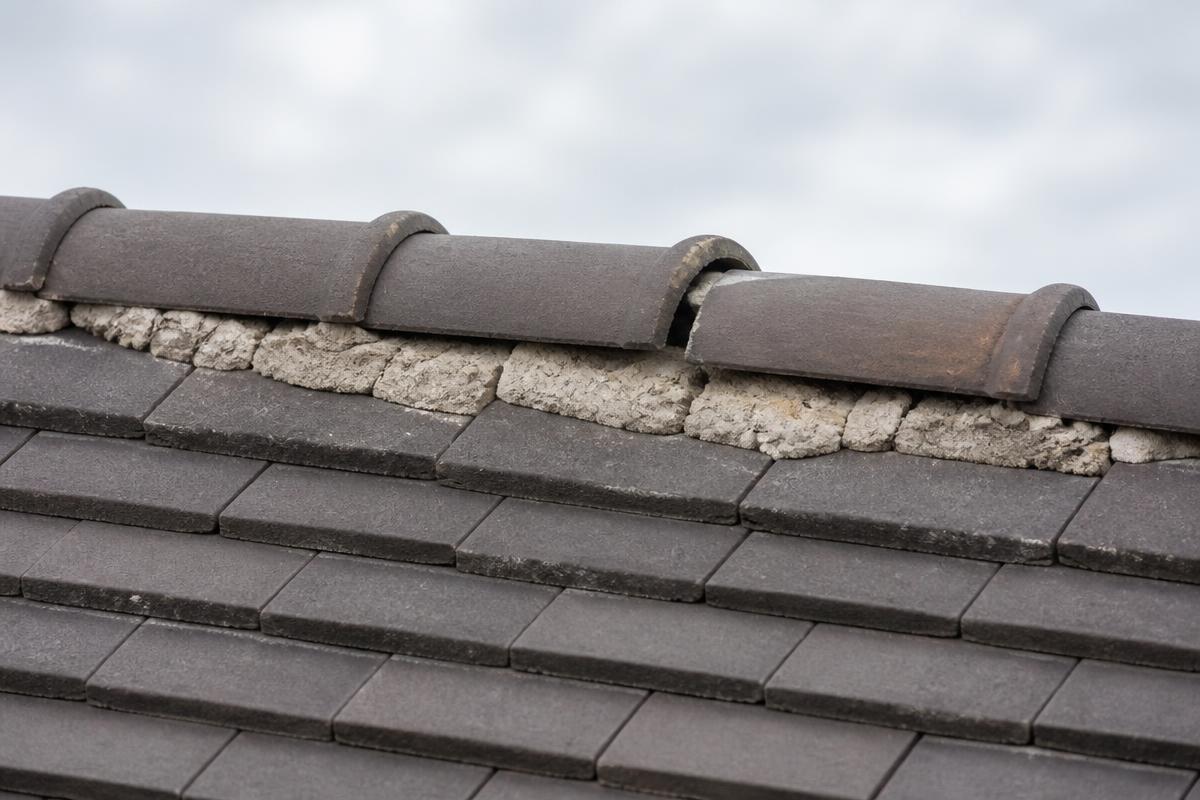
The ridge, hips and verges of a pitched roof are where the covering is finished off, and on most older Dublin houses they are finished in mortar. Mortar is rigid, the roof beneath it moves, and Irish winters do the rest — which is why perished bedding is one of the most common faults we are called out to.
There are two proper ways to put that right. The ridge or verge can be stripped and re-bedded in fresh mortar with mechanical fixing where appropriate, keeping the traditional appearance. Or it can be converted to a dry system, where each piece is screwed down onto a ventilated roll instead of being held by mortar. We fit and repair both, and which one we recommend depends on your roof rather than on what we would prefer to fit.
Fully Insured • Clear Quotations • 24/7 Emergency Repairs Available
When ridge or verge work is needed
- A ridge or hip tile sitting out of line with the ones either side
- Mortar crumbling, cracked or missing in lengths along the ridge or gable edge
- Pieces of mortar turning up in the gutter or on the ground after wind
- A ridge or verge tile that has already been blown off
- Vegetation or moss growing out of an open ridge joint
- Damp or staining inside close to the apex or the gable wall
How we approach the job
1.Assess the whole run first
Bedding fails progressively, so we check the full length of every ridge, hip and verge rather than pricing the one piece you can see has moved.
2.Re-bed or convert, explained plainly
We tell you which suits your covering, the look you want to keep and the exposure of the roof, and what each option involves — including where re-bedding is genuinely the better choice.
3.Reuse what is worth reusing
Sound ridge and hip tiles are cleaned off and refitted. Cracked or broken pieces are replaced, matched to the existing profile as closely as available materials allow.
4.Written quotation after assessment
You get the scope and cost in writing before work begins. If something hidden turns up once the ridge is lifted, we explain it and agree any additional work with you first.
What a dry ridge system actually is
Instead of mortar, a ventilated roll is laid along the apex and each ridge tile is fixed down with screws and clips into the timber below. Nothing relies on adhesion, so there is no bedding to crack, and the roll allows air to leave the roof space at the ridge — which is often useful on a house with condensation problems.
Dry verge at the gable edge
The verge is the exposed edge of the roof at a gable wall, traditionally pointed in mortar and usually the first mortar on any roof to crack. A dry verge replaces it with interlocking units clipped and screwed over the edge tiles, closing the roof edge against wind and birds without a mortar joint to maintain.
Hips are not an afterthought
Hip tiles run down a slope rather than sitting level, so gravity works against the bedding and the lowest tile in the run carries the load. Hip failures are common and a proper repair deals with the hip iron and the bottom fixing, not just the mortar.
Where re-bedding is the right answer
On period roofs, natural slate roofs and anywhere appearance along the ridge matters, traditional bedding done properly keeps the roof looking like itself. Dry systems are not automatically an upgrade in that context, and we will say so rather than push a conversion.
Suitability is judged roof by roof
Profile of the existing ridge and verge tiles, the condition of the top course beneath, the timber available to fix into and the exposure of the roof all decide what can be fitted. That judgement needs the roof looked at, which is why we do not quote ridge work from a description alone.
Not sure this is what you need?
If you know what you can see but not what is causing it, these pages explain the likely causes and what a roofer needs to check.
Coverage
Dry Ridge & Dry Verge across Dublin
We work across Dublin city and county, and also cover parts of Kildare, Meath and Wicklow.
FAQ
Dry Ridge & Dry Verge — common questions
Is dry ridge better than mortar?
It does not rely on bedding mortar, and ventilated dry systems also allow the ridge to breathe where that is part of the design. It is commonly specified on new tiled roofs and on re-roofing work. Mortar re-bedding still suits plenty of roofs, particularly period and natural slate roofs. The right answer depends on the roof rather than the system.
Can you just re-bed the section that has failed?
Sometimes, where the rest of the run is genuinely sound. More often the mortar has gone along a length, and patching one joint leaves the same failure either side of the new work. We will tell you honestly which situation yours is.
Can my existing ridge tiles be reused on a dry system?
Frequently, yes, provided they are undamaged and their profile suits the fixing components. Cracked pieces are replaced and matched as closely as available materials allow.
Does dry ridge help with condensation?
It can contribute, because a ventilated ridge roll lets warm moist air leave at the highest point of the roof. It is one part of a ventilation path rather than a cure on its own — see our roof ventilation page.
Is a loose ridge tile urgent?
If it has visibly moved, sits above a footpath or entrance, or water is getting in, treat it as urgent rather than planned work. Emergency roof repair call-outs are available 24 hours a day.
Related
Related services
Slate & Tile Repairs
Replacing slipped, cracked and missing slates and tiles, plus ridge, hip and verge repairs.
Learn moreRoof Repairs
Repairs to slate, tile and flat roofs — from a handful of slipped slates to recurring leaks.
Learn moreStorm Damage Repairs
Assessment and repair of wind and storm damage, with photographs of the damage and completed work where appropriate.
Learn moreRoof Ventilation
Eaves, tile, slate and ridge ventilation to move damp air out of a roof space that is not breathing.
Learn moreRoof Inspections
A proper look at the roof and attic with a clear summary of roofing condition and recommended work.
Learn moreNew Roofs & Roof Replacement
Full re-roofing and roof replacement, where repairs are no longer a sensible long-term option.
Learn moreTalk to a roofer
Need a Roofer in Dublin?
Need help with a roof repair, leak or roofing project? Call Vantage Roofing or request a quotation online. Fully insured, with 24/7 emergency roof repair call-outs.